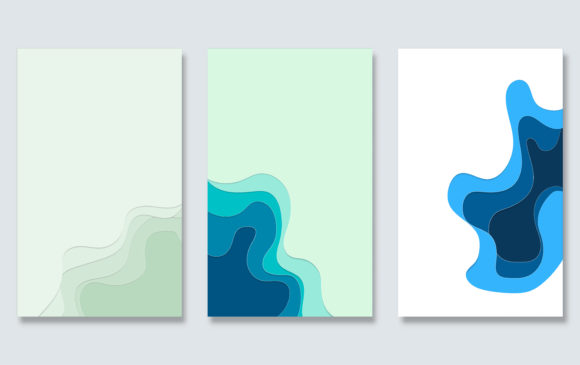
Abstract Paper Cut Background for Modern Design
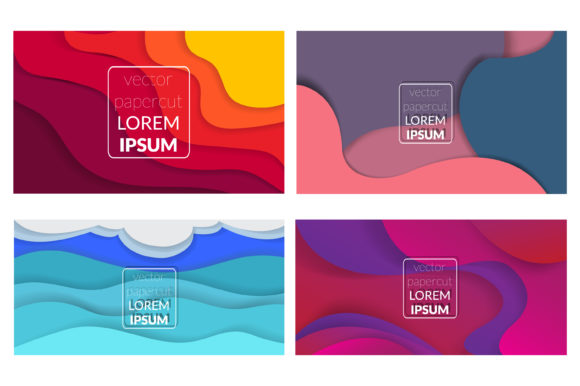
In a digital landscape saturated with flat, uniform graphics, the Abstract Paper Cut Background offers a tactile escape that instantly captures attention. This design style mimics the physical texture of layered paper, creating depth and dimension through shadows and overlapping shapes. When combined with vertical banners set with 3D abstract background and paper cut shapes, it transforms static layouts into dynamic visual narratives. For professionals and creators seeking to elevate their communication, this aesthetic provides more than just decoration; it introduces a sense of craftsmanship and modern sophistication that resonates deeply with audiences.
The appeal of this style lies in its ability to bridge the gap between digital convenience and analog warmth. Unlike standard vector illustrations or photographic backgrounds, the paper cut effect suggests effort and intentionality. It implies that every element has been carefully placed, much like an artist arranging a collage. This perception of care translates directly to how viewers perceive your brand or message. Whether you are designing a landing page, a presentation slide, or a social media campaign, incorporating these elements can significantly improve the perceived value of your content.
Enhancing Visual Hierarchy and Focus
One of the most practical benefits of using an Abstract Paper Cut Background is its natural ability to guide the viewer's eye. The layering technique inherent in this style creates distinct planes of focus. By placing key information on top layers while keeping supporting details in the background, designers can establish a clear hierarchy without relying solely on size or color contrast.
Consider a scenario where a marketing professional needs to present a complex product roadmap. A flat list of features often gets overlooked. However, when those same points are presented within vertical banners featuring a 3D abstract background and paper cut shapes, the text appears to float above the scene. This spatial separation forces the brain to prioritize the foreground elements. The result is improved readability and faster comprehension, allowing stakeholders to grasp the core message in seconds rather than minutes.
- Layered Depth: Use darker shadow effects behind specific shapes to make critical data pop.
- Vertical Flow: Leverage vertical banner formats to lead the eye naturally from top to bottom.
- Focus Points: Reserve the brightest or most textured paper layers for primary calls to action.
Supporting Creative Efficiency and Workflow
For freelancers and small business owners, time is a finite resource. Finding high-quality, versatile assets can be a bottleneck in the production process. This is where the utility of files formatted as -eps10 becomes crucial. The EPS (Encapsulated PostScript) format ensures that the Abstract Paper Cut Background remains scalable without losing resolution. You can resize a vertical banner for a mobile story or a large trade show display without pixelation or blurriness.
This scalability directly impacts workflow efficiency. Instead of sourcing different images for different platforms, a single EPS file containing the 3D abstract background and paper cut shapes serves all purposes. You can manipulate individual layers in vector editing software to change colors to match a specific brand palette or adjust the complexity of the shapes. This flexibility allows educators and bloggers to quickly adapt materials for newsletters, websites, or printed handouts without needing extensive graphic design skills.
The modern design aspect of these assets also means they align well with current trends. Audiences are increasingly drawn to designs that feel organic yet structured. The paper cut aesthetic satisfies this desire by offering geometric precision mixed with the softness of paper textures. By adopting this style, creators ensure their work looks contemporary and relevant, reducing the need for constant redesigns to stay "in fashion."
Strengthening Communication Through Texture
Communication is not just about words; it is about the medium. In a world dominated by screen fatigue, introducing a design that evokes the sense of touch can break through the noise. The Abstract Paper Cut Background leverages psychological associations with physical objects. We associate paper with learning, planning, and tangible results. When a user sees a vertical banner with 3D abstract background and paper cut shapes, there is a subconscious feeling of stability and reliability.
This is particularly valuable for entrepreneurs and publishers who want to convey trust. A financial report, a portfolio, or an educational course material benefits from a background that feels grounded. The shadows cast by the paper layers create a realistic lighting environment, making the content feel less like a digital abstraction and more like a physical artifact. This subtle shift can increase engagement rates, as users spend more time interacting with content that feels inviting and substantial.
Furthermore, the versatility of the modern design approach allows for customization across industries. A tech startup might use cool blues and sharp angles to suggest innovation, while a wellness coach might choose warm earth tones and softer curves to suggest relaxation. The underlying structure of the paper cut style supports both extremes, proving its adaptability as a communication tool.
Practical Applications for Diverse Professionals
The utility of these assets extends far beyond simple decoration. Different roles within the professional ecosystem find unique ways to integrate the Abstract Paper Cut Background into their daily tasks.
- Marketers and Bloggers: Use vertical banners for email headers or blog sidebars. The 3D effect draws the eye away from the scrolling feed and toward the specific offer or article title.
- Educators: Create engaging worksheets or presentation slides. The layered look helps distinguish between instructions, examples, and questions, making complex topics easier to digest.
- Freelancers: Build a cohesive personal brand. Consistently using a specific paper cut style across proposals, invoices, and portfolios creates a memorable visual identity.
- Publishers: Enhance book covers or magazine layouts. The depth provided by the 3D abstract background adds a premium feel that stands out on shelves or digital storefronts.
Considerations for Implementation
While the Abstract Paper Cut Background offers significant advantages, successful implementation requires thoughtful application. The goal is to enhance the content, not overwhelm it. If the paper layers are too intricate or the shadows too heavy, they can distract from the actual message. It is essential to balance the visual complexity of the vertical banners set with 3D abstract background and paper cut shapes with the clarity of the typography.
Additionally, accessibility should remain a priority. Ensure that the contrast between the text and the layered background is sufficient for readers with visual impairments. The -eps10 format aids here by allowing precise control over opacity and color adjustments. Before finalizing a design, test it in grayscale to verify that the hierarchy holds up without relying solely on color differences.
Finally, consider the context of delivery. On high-resolution screens, the fine details of the paper texture will shine. However, on older devices or low-bandwidth connections, overly complex rasterized versions might load slowly. Always export optimized web-friendly versions alongside the editable EPS files to ensure a smooth user experience.
Ultimately, the decision to use an Abstract Paper Cut Background is a strategic one. It signals a commitment to quality and a desire to connect with audiences on a deeper, more sensory level. By leveraging the depth of 3D abstract background and paper cut shapes within modern vertical banners, professionals can solve the common problem of visual monotony. The result is a body of work that is not only efficient to produce but also impactful to consume, driving better engagement and clearer communication across all platforms.