Wave Background: The Ultimate Guide to Dynamic Digital Design
In the rapidly evolving landscape of digital design, capturing attention within seconds is more critical than ever. Whether you are creating a corporate presentation, designing a futuristic app interface, or crafting a marketing flyer, the visual foundation sets the tone for your entire project. This is where a wave background emerges as a powerful solution. Combining fluid motion with geometric precision, this design element bridges the gap between abstract art and functional layout, offering a modern aesthetic that resonates with audiences across various industries.
Understanding the Core Concept
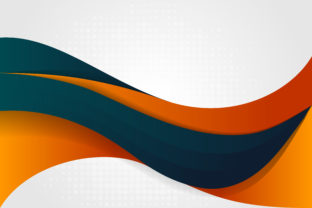
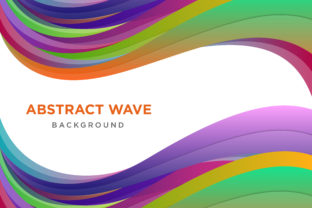
A wave background is not merely a decorative image; it is a sophisticated design strategy rooted in the principles of flow and movement. Visually, it utilizes curved lines and gradient colors to simulate the natural motion of water or sound waves. These elements create a sense of depth and dynamism that static images often lack. By integrating vector shapes and 3D rendering techniques, designers can produce a backdrop that feels alive, guiding the viewer's eye across the screen naturally.
The appeal lies in its versatility. From deep oceanic blues to vibrant, neon gradients, these patterns can be tailored to fit any brand identity. They serve as an ideal template for businesses looking to convey innovation, technology, or creativity without overwhelming the user with clutter. The interplay of light and shadow in a gradient wave design adds a layer of sophistication, making it a staple in futuristic and modern design portfolios.
Addressing Modern Design Challenges
Designers and business owners frequently face specific challenges when trying to establish a strong visual presence. One of the most common issues is the "blank canvas" problem, where a plain white or solid color background fails to engage visitors. In a crowded digital space, static layouts can appear outdated and unprofessional. Furthermore, users often struggle to balance aesthetic appeal with readability; too much detail distracts from the message, while too little makes the content feel empty.
Another significant hurdle is maintaining consistency across different media. A banner designed for a website might not translate well to a mobile poster or a printed brochure. Traditional textures and complex illustrations often lose their clarity when resized, leading to pixelation or a loss of impact. Additionally, brands aiming to position themselves as leaders in science, technology, or music need visuals that reflect energy and forward-thinking, which standard stock photos rarely achieve effectively.
How Wave Backgrounds Provide Solutions
The wave background directly addresses these pain points by offering a dynamic yet structured framework. Because these designs are typically created using vector graphics, they remain crisp and clear at any scale. This ensures that whether you are using the image as a full-screen backdrop on a high-resolution monitor or a small icon on a mobile device, the quality remains impeccable.
The inherent flow of the curves helps guide user attention. In a layout, wavy lines can subtly direct the eye toward key call-to-action buttons or important text blocks. This solves the readability issue by providing a visual path without the need for harsh borders or distracting frames. The use of blue tones, often associated with trust and calmness, combined with white negative space, creates a clean environment that reduces cognitive load for the viewer.
Practical Applications Across Industries
The utility of a wave background extends far beyond simple decoration. Its ability to adapt to various contexts makes it a go-to choice for diverse professional needs.
- Corporate Presentations: For executives pitching new ideas, a dynamic wave pattern can symbolize growth and momentum. It transforms a standard slide deck into a compelling visual story, reinforcing themes of flow and progress.
- Digital Marketing: When designing a flyer or an online ad, a gradient wave can capture immediate interest. The abstract nature allows the copy to stand out while the background provides a trendy, creative edge that aligns with current design trends.
- Tech and Science: In fields dealing with data, sound, or physics, the wave motif is scientifically relevant. It visually represents sound waves, frequency, or data streams, making it perfect for illustration related to technology and space.
- Music and Entertainment: The rhythmic nature of waves mirrors musical beats. DJs and music producers often use these graphic elements for album covers and event posters to evoke a sense of rhythm and vibration.
Implementation Strategies for Different Users
Approaching a wave background project requires a tailored strategy depending on your specific goals. Here is how different users can leverage this element effectively:
- The Minimalist Designer: If your goal is elegance and simplicity, opt for a geometric wave pattern with thin line work and ample white space. Use subtle gradients to add depth without overwhelming the content. This approach works exceptionally well for card designs and clean web interfaces.
- The Bold Marketer: For campaigns requiring high impact, choose a 3D style with rich, saturated colors. A deep blue transitioning into purple or orange can create a dramatic effect suitable for cover images and large-scale wallpaper backgrounds. The focus here is on emotion and energy.
- The Tech Innovator: To highlight innovation, combine the wave shape with digital elements like nodes or data points. This creates a fluid yet structured look that suggests advanced style and precision, ideal for software landing pages or tech conference materials.
Key Considerations for Success
To get the most out of a wave background, it is essential to consider the context in which it will be used. Color psychology plays a vital role; blue evokes trust and stability, while warmer gradients suggest excitement and urgency. Ensure that the contrast between the background and your foreground text is sufficient to maintain accessibility.
Furthermore, avoid overusing the element. While a wavy frame can add a unique touch to a photo or logo, applying it excessively can make the design feel chaotic. The best results come from a balanced composition where the shape supports the content rather than competing with it. Always test your design in both light and dark modes to ensure the pattern remains effective under all viewing conditions.
Conclusion
In summary, the wave background is more than just a trending aesthetic; it is a versatile tool for solving fundamental design challenges. By providing a sense of movement, depth, and modernity, it empowers creators to build engaging, professional, and memorable experiences. Whether you are crafting a business proposal, a creative portfolio, or a digital advertisement, integrating this fluid element can elevate your project from ordinary to extraordinary. Embrace the power of flow and let your designs move forward with confidence.