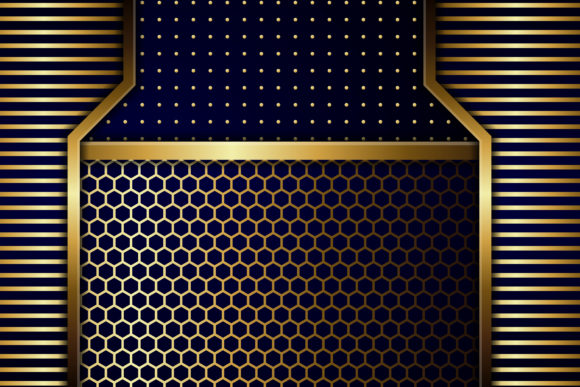
Gold Blue Gradient Geometric Background
In the realm of digital design, few visual assets strike the right balance between authority and innovation as effectively as a gold blue gradient geometric background. This specific aesthetic combines the trustworthiness associated with deep navy tones against the premium allure of metallic gold, all structured within sharp, modern geometric forms. For professionals ranging from graphic designers and marketing managers to entrepreneurs launching new ventures, this resource is not merely a decorative element; it is a strategic tool that elevates brand perception immediately.
The core value of this asset lies in its versatility. Whether you are constructing a corporate presentation, designing a high-end product cover, or developing a website interface, the integration of a luxury, elegant, and modern design template can significantly alter the user's psychological response to your content. The inclusion of paper texture and golden element decoration adds a tactile dimension to a digital medium, bridging the gap between physical craftsmanship and digital precision. Understanding how to deploy this vector correctly requires more than just knowing where to place an image; it demands a workflow approach that considers hierarchy, contrast, and brand alignment.
Strategic Placement in the Creative Workflow
Integrating a gold blue gradient geometric background into a project begins long before the final export. In the planning phase, this asset should be evaluated based on the intended message. The dark square pattern and futuristic lines suggest stability and forward-thinking, making it ideal for sectors like finance, technology, and luxury retail. If your goal is to convey accessibility and friendliness, this high-contrast, metallic style might require careful modulation through color overlays or reduced opacity.
During the execution phase, the vector nature of the file becomes a critical advantage. Unlike raster images that pixelate when scaled, vectors allow you to resize the abstract art backdrop without losing the crispness of the golden element decoration. This is essential for workflows that require multi-format delivery. You might start with a low-resolution preview for client approval, then switch to high-resolution versions for print production or large-format banners. The ability to manipulate individual layers—such as the overlap layers mentioned in the source description—allows designers to isolate specific geometric shapes for animation or interactive web elements.
Consider the implementation process when working with teams. A well-organized file structure is vital. When importing this template, ensure that the texture and gradient layers are separated. This separation facilitates easier adjustments later. For instance, if a client requests a "lighter" version of the design for a mobile app, you can adjust the brightness of the blue gradient layer independently without affecting the integrity of the gold accents. This modular approach saves time and reduces the risk of errors during revisions.
Compatibility Across Platforms and Media
The utility of this design extends beyond static images. Its composition supports various media types, but success depends on understanding the technical constraints of each platform. On the web, the geometric shape and line work exceptionally well as loading screens or hero sections. However, performance must be prioritized. Large vector files can slow down page loads if not optimized. Utilizing SVG formats ensures that the metallic effect renders sharply on high-DPI screens while keeping file sizes manageable.
For print applications, such as business cards or brochure covers, the paper texture feature is a standout element. It prevents the design from looking too flat or artificial, adding a sense of weight and quality that resonates with luxury consumers. When preparing for print, verify that the gold colors are converted to CMYK or spot color profiles to maintain accuracy. The shiny and shine effects achieved in the digital gradient may need subtle adjustment to mimic real foil stamping or embossing techniques used in physical production.
In video production, the dark square pattern serves as an excellent lower-third background or end-screen frame. The contrast between the dark blue and the bright gold ensures that text remains legible while maintaining a cohesive brand identity. By using this as a base layer, editors can overlay motion graphics without cluttering the visual space. The modern design template provides a stable foundation that does not distract from the primary content, allowing the message to take center stage.
Enhancing Brand Consistency and Visual Hierarchy
A common pitfall in design is the overuse of decorative elements. While the gold blue gradient geometric background is striking, it commands attention. To use it effectively, one must understand the concept of visual hierarchy. The overlap layers create depth, which should be leveraged to guide the viewer's eye. Place the most critical information, such as headlines or call-to-action buttons, in areas where the background density is lowest or where the light contrasts most strongly with the dark.
Consistency is key for building brand recognition. If this asset is part of a larger brand kit, ensure that the specific shades of blue and gold align with existing brand guidelines. The gradient should transition smoothly, avoiding harsh bands that look unprofessional. Tools that allow for precise color picking are necessary here. When integrating this background with other resources, check that the font weights and styles complement the geometric nature of the design. Thin, sans-serif typography often pairs best with the clean lines of the vector shapes, reinforcing the futuristic and technology-forward vibe.
For marketers, this asset offers a unique opportunity to segment audiences. The elegant and luxury connotations make it suitable for premium service offerings, while the concept of geometric order appeals to analytical minds. You might use different variations of the same background for different campaign stages. A softer, less saturated version could serve as a blog header, while the full-intensity graphic illustration is reserved for a product launch event banner. This variation keeps the brand fresh without losing its core identity.
Practical Implementation Tips for Creators
To maximize the efficiency of using this resource, adopt a systematic approach to customization. Start by creating a master file where the gold blue gradient geometric background is set up as a smart object or linked asset. This allows you to update the background across multiple documents simultaneously if a brand refresh occurs. When working with the decoration elements, consider grouping them logically. Naming layers clearly, such as "Gold Accent," "Blue Gradient Base," and "Paper Texture," streamlines the editing process and reduces confusion for collaborators.
Quality control is another crucial step. Before finalizing any project, review the output at 100% zoom to ensure there are no aliasing artifacts along the border or line edges. The shiny effects should appear smooth, not jagged. If the design is intended for web use, test it across different browsers and devices to confirm that the color rendering remains consistent. Mobile users often view content in portrait mode, so ensure the layout adapts gracefully without cropping out essential elements.
Finally, think about the long-term usability of the asset. Trends in style and trendy aesthetics evolve quickly, but the combination of gold and blue is timeless. By treating this background as a foundational component rather than a fleeting trend, you secure a versatile resource that will remain relevant for years. Whether you are a freelancer managing multiple clients or a business owner overseeing internal communications, having a reliable library of high-quality backgrounds accelerates your workflow and enhances the perceived value of your deliverables.
The integration of a gold blue gradient geometric background into your projects is a decision that impacts both the aesthetic and functional outcomes of your work. By approaching it with a focus on preparation, compatibility, and strategic placement, you transform a simple graphic resource into a powerful communication tool. It supports the narrative of excellence and innovation, ensuring that your message is not only seen but felt. As you move forward with your next creative endeavor, remember that the right background sets the stage for everything else to follow.