Concrete Partition Exposed Wall Logo: A Design Analysis for Modern Interiors
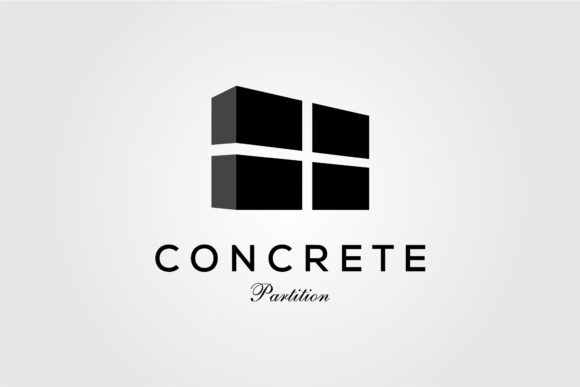
In the evolving landscape of architectural visualization and interior design, the Concrete Partition Exposed Wall Logo represents a specific intersection of industrial aesthetics and functional graphic design. This asset is not merely a decorative image; it serves as a foundational element for branding, digital backgrounds, and conceptual layouts where texture and structure are paramount. Understanding its distinct characteristics requires looking beyond the surface imagery to evaluate how it interacts with other design elements like furniture, lighting, and spatial composition.
The core appeal of this design lies in its ability to convey a sense of solidity and contemporary style without overwhelming the viewer. By combining the raw texture of cement with the clean lines of modern partitioning, the logo creates a visual anchor that suggests stability and sophistication. For professionals working in real estate, architecture, or lifestyle branding, selecting the right visual tool is critical. The decision to use a concrete-based motif often depends on the desired atmosphere—whether aiming for a cozy loft vibe, a luxury apartment presentation, or a stark industrial backdrop.
Distinguishing Features of the Concrete Partition Aesthetic
What sets the Concrete Partition Exposed Wall Logo apart from generic wall textures is the intentional integration of structural elements. Unlike a flat render of a plain cement wall, this design incorporates the concept of partitions. These vertical divisions mimic the layout of actual architectural spaces, such as open-plan living areas or studio apartments. This distinction is vital for designers who need to communicate spatial relationships rather than just surface materials.
The visual language relies heavily on the interplay between light and shadow. In high-quality 3D renders, the exposed wall provides a neutral canvas that allows light sources to create depth. The black and white contrast often found in these vector illustrations enhances the perception of volume. When placed against a background featuring wooden floors or modern furniture, the concrete texture grounds the composition, preventing the space from feeling too airy or abstract.
Furthermore, the inclusion of a logo within this context transforms a simple architectural study into a branded asset. The non-editable text ensures consistency across various applications, while the vector nature of the file allows for scalability. Whether used as an icon for a real estate agency or as a subtle pattern in a brochure, the design maintains its clarity. The simplicity of the form aligns well with Scandinavian design principles, which favor minimalism and functionality over ornate decoration.
Evaluating Format Options: Vector vs. Raster
When acquiring assets like the Concrete Partition Exposed Wall Logo, understanding the file formats is essential for achieving the best results. The availability of both EPS 10 vector files and JPG images offers flexibility, but each serves a different purpose in the production workflow.
The EPS 10 format is particularly valuable for designers who require precision. Being a vector-based file, it allows users to open the design in Adobe Illustrator and manipulate individual components. Although the text may be non-editable to preserve brand integrity, the geometric shapes, shadows, and partition lines can often be adjusted. This editability is crucial when integrating the logo into complex layouts. For instance, a designer might need to change the color of the concrete texture to match a specific palette or resize the partition elements to fit a specific aspect ratio. The vector format ensures that no matter how much the design is scaled up or down, the edges remain crisp and free of pixelation.
In contrast, the JPG file provides a ready-to-use raster image. This format is ideal for quick mockups, web graphics, or situations where file size is a primary concern. While it lacks the editability of the vector version, it captures the final rendering exactly as intended. For users who do not have access to professional design software like Illustrator, the JPG option ensures that the visual quality remains consistent without requiring further processing. However, relying solely on the raster version limits the ability to adapt the design for different contexts, such as printing large-scale banners or integrating it into dynamic UI elements.
Comparative Analysis: Industrial Texture vs. Alternative Styles
Selecting the right visual style involves comparing the Concrete Partition Exposed Wall Logo with other popular interior design motifs. The primary alternative is the traditional wood or plaster wall design. While wooden textures evoke warmth and coziness, they lack the structural rigidity associated with industrial lofts. If a project aims to highlight a "cozy" atmosphere with soft furnishings, a wood-themed logo might be more appropriate. Conversely, if the goal is to emphasize a "modern," "luxury," or "contemporary" aesthetic, the concrete option provides a cooler, more sophisticated tone.
| Design Element | Concrete Partition Style | Traditional Wood/Plaster Style |
|---|---|---|
| Aesthetic | Industrial, Minimalist, Urban | Rustic, Warm, Traditional |
| Best Fit | Lofts, Offices, Modern Apartments | Cottages, Family Homes, Cozy Cafes |
| Visual Weight | Heavy, Structured, Bold | Soft, Organic, Subtle |
| Light Interaction | High Contrast, Sharp Shadows | Diffused, Warm Tones |
Another consideration is the comparison between 3D rendered backgrounds and flat 2D illustrations. The Concrete Partition Exposed Wall Logo often utilizes 3D rendering techniques to create a sense of realism. This distinguishes it from flat icons or simple line drawings. The 3D approach allows for the depiction of depth, making the wall appear as a physical barrier rather than a graphic symbol. This realism is beneficial for architectural presentations where accuracy in scale and proportion is required. However, for purely symbolic uses, such as a small app icon, a simplified 2D version might be more effective.
Strategic Applications and Use Cases
The versatility of the Concrete Partition Exposed Wall Logo makes it suitable for a wide range of applications. In the real estate sector, it is frequently used to market properties that feature open-concept layouts. By incorporating the logo into listing photos or digital brochures, agents can immediately signal the type of living experience the property offers. The association with "loft" and "flat" styles helps potential buyers visualize the space as a modern urban home.
For interior designers, this asset serves as a powerful tool for mood boards and concept development. When planning a renovation, showing a client a design that features exposed concrete walls can help them understand the transformation. The presence of furniture elements like couches, tables, and wooden floors in the illustration provides context, demonstrating how the hard concrete surfaces will interact with softer textiles and organic materials. This holistic view aids in decision-making regarding decor and decoration choices.
In the realm of branding, the logo acts as a statement of identity. Companies specializing in construction, architecture, or modern furniture often adopt this aesthetic to align their brand with values of strength, innovation, and timelessness. The black and white color scheme ensures that the logo remains versatile, fitting seamlessly into both dark and light themes. Whether used on a website header, a business card, or a social media post, the design conveys a message of professionalism and attention to detail.
Decision Factors and Limitations
While the Concrete Partition Exposed Wall Logo offers numerous benefits, it is important to recognize its limitations. The industrial nature of the design may not suit every project. For example, in environments that prioritize warmth and tradition, such as a family-oriented daycare or a historic boutique hotel, the starkness of concrete might feel cold or unwelcoming. In these cases, a warmer palette or a different material focus would be more appropriate.
Additionally, the reliance on vector technology means that the user must have access to compatible software to fully utilize the EPS file. Users without Adobe Illustrator or similar tools may find themselves limited to the JPG version, which restricts customization options. It is also worth noting that the non-editable text feature, while ensuring brand consistency, prevents users from altering the company name or slogan directly within the file. This necessitates creating a new version or overlaying custom text if changes are required.
Ultimately, the choice to use this design depends on the specific goals of the project. If the objective is to create a strong visual impact that emphasizes modernity and structure, the Concrete Partition Exposed Wall Logo is an excellent choice. It provides a robust foundation for creative expression while maintaining a professional appearance. However, if the project requires a softer, more inviting atmosphere, alternative designs should be considered. By carefully evaluating the strengths and tradeoffs, designers can make informed decisions that enhance the overall quality of their work.
Whether you are designing a new apartment complex, rebranding a furniture store, or creating a digital background for a lifestyle blog, understanding the nuances of this asset is key. The combination of concrete, partition, and exposed wall elements creates a unique visual narrative that resonates with contemporary audiences. By leveraging the capabilities of vector graphics and 3D rendering, this logo stands out as a versatile tool in the modern designer's arsenal.