V: The Power of Abstract Irregular Rectangle Mosaic
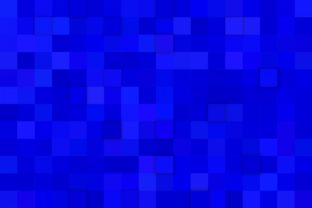
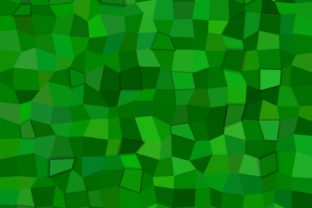
In the world of digital design, finding a visual language that balances structure with fluidity is often the difference between a generic template and a memorable brand identity. This is where V steps in as a compelling concept. It represents more than just a geometric shape; it embodies a specific aesthetic strategy known as the abstract irregular rectangle mosaic background. By leveraging polygonal vector designs built from rectangles in green tones with a 3D effect, designers can create depth without sacrificing clarity. Whether you are a freelancer pitching a new logo or an entrepreneur launching a product line, understanding how to harness this style can elevate your visual communication significantly.
Deconstructing the V Aesthetic
The core of V lies in its ability to mimic complexity through simplicity. Unlike chaotic splashes of color or rigid grid systems, the irregular rectangle mosaic offers a middle ground. It uses basic rectangular forms but arranges them in a way that suggests organic movement. The "irregular" nature prevents the eye from getting bored, while the underlying structure ensures the composition remains grounded. When rendered in green tones, the palette naturally evokes feelings of growth, stability, and renewal, making it particularly effective for sectors like technology, wellness, and sustainable business.
The addition of a 3D effect transforms a flat image into something tactile. In a digital environment where screens are two-dimensional, creating the illusion of depth draws users in. This is achieved not through heavy gradients that muddy the colors, but through strategic shading and layering of the polygons. The result is a surface that feels like it has texture, inviting the viewer to imagine running their fingers over it. For creators looking to break away from the sterile look of standard corporate stock photography, V provides a sophisticated alternative that feels modern yet timeless.
Creative Applications Across Industries
The versatility of this design approach allows it to adapt to various professional contexts. Designers often use these backgrounds to add visual interest without overwhelming the primary content. Because the pattern is abstract, it serves as a perfect canvas for text, allowing headlines and body copy to stand out clearly against the textured backdrop.
- Branding and Identity: Small business owners can incorporate V into their logo lockups or website headers. The green tones suggest eco-friendliness or financial growth, while the 3D polygons imply innovation and forward-thinking.
- Digital Marketing: Marketers can utilize these assets for social media banners or email newsletters. The irregular shapes guide the eye across the page, subtly directing attention toward call-to-action buttons.
- Educational Materials: Educators and bloggers can use the mosaic style to make presentations or blog posts feel less dry. The dynamic nature of the background keeps the audience engaged during long-form reading sessions.
- Product Packaging: For physical goods, the vector nature of the design means it scales perfectly. From a small sticker on a bottle to a large shipping box, the V pattern retains its crisp edges and vibrant green hues.
Adapting for Different Platforms
One of the most critical aspects of using V effectively is understanding how it behaves across different formats. A high-resolution JPG at 5000x5000 pixels is excellent for print materials, billboards, or high-end web displays. However, when adapting this for mobile interfaces, the density of the polygons might need adjustment. On smaller screens, too much detail can become distracting noise. In these cases, simplifying the vector paths or reducing the contrast of the 3D effect can maintain the aesthetic integrity while improving user experience.
For web developers, the vector EPS format is a goldmine. Unlike raster images that pixelate when zoomed, vectors remain sharp at any size. This makes V ideal for responsive design, where the background must look perfect on everything from a smartwatch to a desktop monitor. You can manipulate the individual rectangles within the vector file to change the angle or spacing, creating unique variations for different sections of a website without losing the cohesive theme.
Practical Strategies for Implementation
To get the most out of this design style, creativity must be paired with discipline. A common mistake is letting the background dominate the foreground. If the green tones are too saturated or the 3D shadows are too harsh, they can compete with your text or product images. The goal is to create an atmosphere, not a distraction. Use tools that allow you to adjust opacity or apply blending modes to soften the impact of the mosaic.
Consistency is key to building a recognizable brand. Once you have established a specific shade of green and a particular angle for the 3D effect, stick to it. Mixing multiple styles of mosaics can confuse the audience. Instead, focus on refining one variation of V until it perfectly supports your message. If you need variety, consider changing the lighting direction or the intensity of the shadows rather than altering the fundamental shape of the rectangles.
- Define Your Palette: Start by selecting a specific range of greens. Deep forest greens convey luxury and stability, while lime or mint greens suggest energy and freshness. Ensure these colors align with your psychological goals for the project.
- Test Readability: Always place your primary text over the background to check contrast. If the text is hard to read, add a subtle overlay or reduce the brightness of the mosaic behind the text area.
- Leverage the Vector Format: Don't limit yourself to the static JPG. Import the EPS file into your design software to animate the elements. A slight rotation or expansion of the rectangles can create a dynamic video background for landing pages.
- Maintain Originality: While the base design is available, avoid using it exactly as-is. Rotate the entire composition, crop it tightly to focus on a specific cluster of shapes, or combine it with other textures to create a truly unique asset.
Why This Approach Resonates
The enduring appeal of the irregular rectangle mosaic comes down to human psychology. Our brains are wired to find patterns, but we also crave novelty. The V style satisfies both needs by offering a structured grid that is constantly interrupted by irregularities. This creates a sense of rhythm that is pleasing to the eye. Furthermore, the green color spectrum is universally associated with balance and harmony, making it a safe yet powerful choice for diverse audiences.
For hobbyists and freelancers, this design offers a low barrier to entry for high-quality results. You do not need to be a master illustrator to create stunning visuals when you have strong vector assets like this. It empowers non-designers to produce professional-grade work that looks intentional and polished. By focusing on the interplay of light, shadow, and geometry, you can craft visuals that communicate professionalism and creativity simultaneously.
Ultimately, V is about giving your projects a distinct personality. It moves beyond the blandness of solid colors and the clutter of complex illustrations. It strikes a chord with modern aesthetics that value depth, sustainability, and intelligent design. Whether you are designing a brochure, a website, or a presentation deck, integrating this abstract mosaic background can provide the visual edge you need to stand out in a crowded marketplace.