Orchid Art: A Versatile Digital Design for Crafting
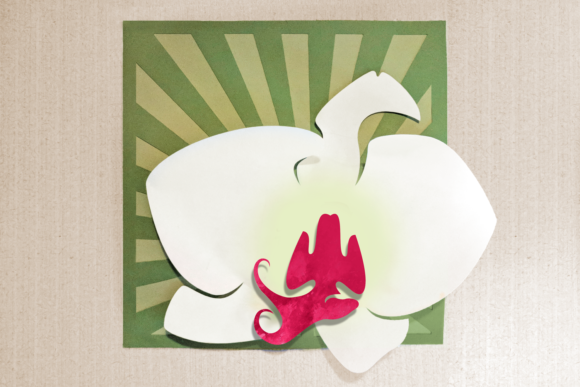
Orchid Art represents a specific category of digital design files tailored for electronic cutting machines. Unlike traditional physical artworks, this resource is a vector-based template intended to be transformed into a tangible object by the user. The core design features a lovely orchid that is engineered to maintain its aesthetic integrity indefinitely, as it is not a biological specimen but a crafted representation. This digital asset allows creators to produce a piece of art that will never wilt, offering a permanent solution for floral decoration.
The versatility of this design lies in its adaptability. Users can choose to gently curl the petals to create a three-dimensional effect or leave the flower flat for a classic silhouette. Furthermore, the composition includes a starburst background designed to frame the flower beautifully, though the flower itself can be utilized independently without the background element. In one documented application, the flower was cut from watercolor paper and hand-painted to achieve a unique texture distinct from the standard vinyl or cardstock finish. This flexibility makes the Orchid Art file a robust tool for various crafting projects, ranging from simple wall decor to complex layered compositions.
Technical Specifications and File Formats
To utilize this design effectively, users must understand the specific file formats provided, as each serves a distinct purpose within the crafting workflow. The primary format is SVG (Scalable Vector Graphics), which is essential for operation with electronic cutting machines such as the Cricut Explore, Silhouette Cameo, Brother ScanNCut, and other compatible devices. The SVG format ensures that the lines are fully editable, allowing for precise scaling and color changes before the cutting process begins.
In addition to the cutting-ready files, the package typically includes:
- PNG: A non-cuttable image file used for reference. This format preserves the visual appearance of the design, including colors, making it useful for printing proofs or viewing the final look on screen. However, because it is raster-based, the colors cannot be altered for cutting purposes.
- DXF: A drawing exchange format compatible with various other software and hardware ecosystems, such as Graphtec plotters and AutoCAD. This ensures broader accessibility for professionals using different technical standards.
When importing these files into software like Cricut Design Space, users have the freedom to resize the cutting template as needed. A critical technical consideration during this process is maintaining proportionality. All pieces of the design must be scaled equally; if individual elements are resized differently, the components may not fit together correctly when assembled. This geometric precision is vital for achieving the intended structural integrity of the final craft.
Evaluation of Use Cases and Benefits
Individuals interested in Orchid Art often seek a balance between professional aesthetics and DIY customization. The decision to use this digital file over purchasing pre-made physical decor is driven by several factors. First, the permanence of the material offers a significant advantage over real flowers. While fresh blooms provide temporary beauty, an orchid cut from high-quality cardstock or vinyl remains vibrant regardless of environmental conditions. This makes it an ideal choice for spaces where natural light is inconsistent or where long-term decoration is required without maintenance.
Secondly, the ability to manipulate the medium allows for personal expression. By selecting materials such as metallic vinyl, textured paper, or patterned cardstock, a crafter can alter the mood of the piece entirely. The option to curl the petals adds a tactile dimension, elevating the project from a flat graphic to a sculptural element. For those who enjoy the "cut and paint" technique mentioned in the product description, the SVG file provides the necessary stencils to execute intricate hand-finishing tasks.
Tradeoffs and Technical Considerations
While the benefits are substantial, potential users should be aware of certain tradeoffs and technical hurdles. The primary challenge lies in the reliance on specific hardware and software. To utilize the Orchid Art design, access to an electronic cutting machine is mandatory. Users without this equipment cannot directly replicate the intended result without outsourcing the cutting process to a local print shop, which may incur additional costs and reduce the level of control over the final product.
Another consideration involves software compatibility. As noted in technical documentation, updates to cutting machine software, such as recent versions of Cricut Design Space, can occasionally introduce issues with uploading specific designs. Some users have reported compatibility problems following system updates. When encountering these errors, troubleshooting steps often involve checking browser settings, clearing cache, or attempting to upload the file through a different interface. Patience and technical familiarity are required to navigate these occasional glitches.
Furthermore, the quality of the final output is heavily dependent on the user's material selection and cutting settings. A poorly calibrated machine or low-quality vinyl can result in jagged edges or incomplete cuts, particularly with delicate features like the starburst background or thin petal lines. Therefore, the success of the project is not guaranteed solely by the purchase of the file; it requires a baseline skill set in machine operation and material handling.
Decision-Making Framework
Before acquiring this design, individuals should evaluate whether their goals align with the capabilities of the Orchid Art template. This resource is a strong fit for hobbyists who own or plan to invest in an electronic cutting machine and desire a customizable, permanent floral decoration. It is particularly suitable for those who enjoy layering techniques, experimenting with different textures, or creating custom home decor items that match specific color schemes.
Conversely, alternatives may be worth considering for different scenarios. If a user lacks the necessary machinery or the time to learn the associated software, purchasing a pre-made physical orchid decoration might be more efficient. Similarly, if the goal is strictly for digital display rather than physical creation, a standard PNG image would suffice without the need for vector files or cutting tools. Additionally, users seeking a purely organic experience might prefer fresh flowers, accepting the tradeoff of higher maintenance and shorter lifespan.
For those deciding to proceed, practical advice suggests starting with a test cut on scrap material. This allows for the verification of blade depth and pressure settings before committing to expensive supplies. Ensuring that all design elements are grouped and scaled proportionally in the software prior to cutting will prevent assembly errors. By carefully weighing the initial investment against the desired outcome, users can determine if this digital design fits their creative needs.
In conclusion, Orchid Art offers a sophisticated blend of digital convenience and artistic potential. It empowers users to create lasting, beautiful decor that defies the limitations of nature. However, realizing this potential requires the right tools, technical proficiency, and an understanding of the material properties involved. For the prepared crafter, it stands as a versatile and rewarding project option.