Transforming Visual Communication with Liquid Banner Horizontal Green Blue Designs
In the fast-paced world of digital marketing and graphic design, standing out requires more than just a good message; it demands a visual language that captures attention instantly. This is where Liquid Banner Horizontal Green Blue assets come into play, offering a sophisticated blend of movement, color theory, and structural innovation. These designs are not merely decorative elements; they represent a strategic approach to modern branding that leverages the psychological impact of nature-inspired hues combined with dynamic, fluid forms.
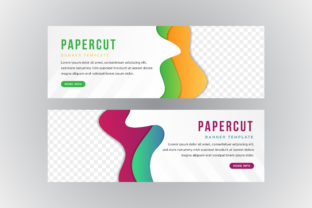
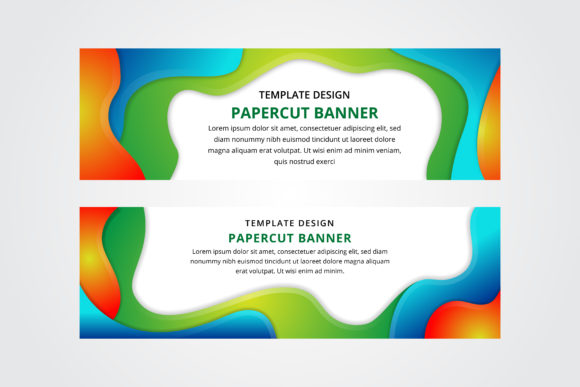
The specific aesthetic of horizontal banners featuring 3D abstract backgrounds with paper cut shapes has gained significant traction. By combining the organic flow of liquid gradients with the tactile precision of origami-style carving, designers create a unique texture that feels both modern and grounded. This article explores how these vector designs function as powerful tools for business presentations, flyers, posters, and invitations, and why the combination of blue, yellow, and green remains a top choice for creative professionals.
The Power of Color: Why Green, Blue, and Yellow?
Color psychology plays a pivotal role in user engagement. The triad of blue, green, and yellow offers a balanced yet energetic palette that resonates across various industries. Blue often conveys trust, stability, and technology, making it a staple for corporate environments. Green introduces an element of ecology, growth, and environmental consciousness, while yellow adds a burst of optimism, creativity, and urgency.
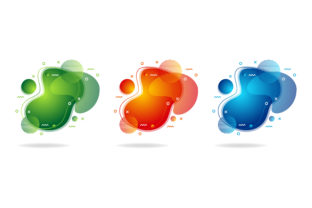
When these colors are applied to a Liquid Banner Horizontal Green Blue layout, the result is a visual harmony that guides the viewer's eye naturally. Unlike static flat colors, the gradient transitions in liquid designs soften the boundaries between hues, creating a sense of depth and motion. This "wavy" effect prevents the design from feeling rigid or outdated. Instead, it suggests fluidity and adaptability—qualities that are highly valued in today's rapidly changing business landscape.
Furthermore, the inclusion of yellow acts as a strategic highlighter. In a sea of corporate blues and greens, a splash of yellow within the paper cut shapes draws immediate focus to key calls-to-action or important information. This contrast is essential for effective advertising, ensuring that the core message is not lost in the artistic execution.
Bridging Technology and Art: The 3D Abstract Aesthetic
Gone are the days when web graphics were limited to two-dimensional, flat illustrations. Modern audiences expect depth and realism. The trend toward 3D abstract backgrounds with paper cut shapes represents a bridge between digital technology and traditional craftsmanship. It mimics the look of layered cardstock or intricate carving art but delivers it through the versatility of vector graphics.
This style works exceptionally well for infographics and complex data visualization. The layered effect allows designers to separate foreground elements from background information, creating a clear hierarchy without cluttering the page. When used in a Liquid Banner Horizontal Green Blue format, the 3D abstraction adds a premium feel to the content. It elevates the perceived value of the brand, suggesting that the company behind the banner pays attention to detail and quality.
The "paper cut" technique also offers a unique textural quality. Even though the image is digital, the shadows and angles simulated in the design give the impression of physical layers. This tactile illusion engages the brain differently than standard flat designs, holding the viewer's attention longer. For businesses looking to differentiate themselves in crowded marketplaces, this subtle complexity can be the deciding factor between a scroll-past and a click-through.
Practical Applications Across Industries
The versatility of these vector layouts means they can be adapted for a wide range of use cases. Whether you are designing a high-stakes pitch deck or a community event invitation, the underlying structure of the design supports the content effectively.
- Business Presentations: Slide decks often suffer from generic templates. Replacing standard backgrounds with a Liquid Banner Horizontal Green Blue design can refresh the entire presentation. The horizontal orientation aligns perfectly with widescreen projectors, providing ample space for bullet points, charts, and speaker notes without overwhelming the audience.
- Flyers and Brochures: Print materials require high-resolution assets that scale well. Vector formats ensure that the crisp edges of the paper cut shapes remain sharp whether printed on a standard letter-sized flyer or a large-format poster. The colorful carving art adds a professional touch that distinguishes the brochure from mass-market mailers.
- Website Headers and Banners: On the web, speed and visual impact are paramount. A lightweight vector banner ensures fast loading times while delivering a stunning first impression. The dynamic form of the liquid background can subtly animate (if coded correctly) to add life to a landing page, encouraging users to explore further.
- Invitations and Cards: For events ranging from tech conferences to eco-friendly galas, the theme of "ecology" and "modern design" fits seamlessly. The combination of geometric shapes and organic curves creates an inviting atmosphere that sets the tone for the event before the guest even arrives.
Technical Advantages of Vector Design
One of the most critical considerations for any designer or business owner is scalability. Raster images (like JPEGs or PNGs) lose quality when resized, often resulting in pixelation. Vector graphics, however, are defined by mathematical equations rather than pixels. This means a horizontal banner designed in vector format can be scaled from a tiny mobile icon to a massive billboard without losing a single line of definition.
This flexibility is particularly beneficial for Liquid Banner Horizontal Green Blue assets that feature complex gradients and fine details. The ability to edit individual layers—such as adjusting the shade of green or repositioning a yellow shape—is a game-changer for iterative design processes. If a client wants to tweak the color scheme to match their new brand guidelines, a vector file allows for instant adjustments without needing to redraw the entire composition.
Additionally, vector files are generally smaller in file size compared to high-resolution raster images. This contributes to better website performance, which is a crucial ranking factor for SEO. Search engines like Google prioritize sites that load quickly, and using optimized vector assets helps maintain those speeds while keeping the visual experience rich and engaging.
Integrating Design into Modern Workflows
Incorporating these graphic resources into your workflow requires a shift in mindset. It is no longer about finding a stock photo that is "close enough." It is about utilizing modular design systems that allow for customization and consistency. The template nature of these vector layouts means they can serve as a foundational element for a broader brand identity system.
For example, a marketing team might use the same Liquid Banner Horizontal Green Blue asset family across email newsletters, social media posts, and physical signage. Because the core elements—the wavy gradients, the paper cut geometry, and the color palette—are consistent, the brand recognition is strengthened. The variations in layout (horizontal vs. vertical, different aspect ratios) allow the brand to speak the same visual language across every channel.
Moreover, the "concept" of the design supports storytelling. The flowing lines suggest progress and forward momentum, ideal for companies in the technology or finance sectors. The ecological undertones appeal to sustainable brands. By choosing a design that aligns with the company's narrative, the visual communication becomes more authentic and persuasive.
Key Considerations for Selection and Usage
Before adopting a graphic resource like this for your projects, there are several factors to consider. First, ensure the file format is truly vector (SVG, AI, EPS). Some platforms offer "vector-like" effects that are actually high-res rasters; these will not offer the same editing capabilities.
Second, think about accessibility. While colorful and dynamic designs are attractive, they must remain readable. Ensure that the text placed over the Liquid Banner Horizontal Green Blue background has sufficient contrast. The gradient nature of the background can sometimes interfere with text legibility if the font color is too similar to the dominant hues. Using white or dark gray text with a slight drop shadow is often a safe bet.
Finally, consider the context of your audience. A highly abstract, artistic design might work wonders for a creative agency or a lifestyle blog, but a conservative financial institution might prefer a slightly more structured interpretation of the same elements. The beauty of vector design lies in its malleability; you can adjust the density of the shapes or the intensity of the colors to suit the specific needs of your target demographic.
Conclusion
The intersection of technology, art, and strategy is where the best design outcomes occur. A Liquid Banner Horizontal Green Blue with 3D abstract backgrounds and paper cut shapes represents more than just a pretty picture; it is a functional tool that enhances communication, builds brand trust, and drives engagement. By understanding the principles behind these designs—from color psychology to technical scalability—businesses can leverage them to create impactful visual experiences that resonate in a crowded digital world.
Whether you are refreshing a website, designing a new brochure, or preparing a presentation, investing in high-quality vector assets provides a competitive edge. The dynamic form, combined with the soothing yet energetic palette of green, blue, and yellow, offers a versatile solution that adapts to the evolving needs of modern commerce. Embrace the potential of these graphic resources to elevate your visual storytelling and connect with your audience on a deeper level.