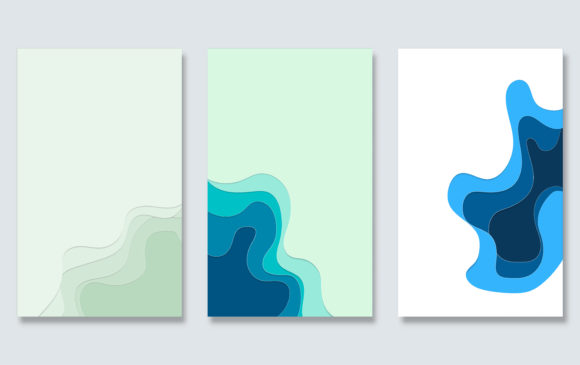
Geometric Paper Cute Overlap Abstract: A Practical Guide to Smart Design Choices
You might have stumbled upon a Geometric Paper Cute Overlap Abstract design and felt an immediate spark of inspiration. It is easy to see why this style resonates with so many creators; the combination of soft, playful shapes with structured geometric lines creates a visual balance that feels both modern and approachable. However, while the aesthetic appeal is undeniable, there is often a gap between downloading a file and successfully integrating it into a professional project. Many users assume that because a graphic looks "cute" in a preview window, it will automatically translate well to their final output, but this assumption can lead to significant issues down the line.
The core value of a Geometric Paper Cute Overlap Abstract asset lies not just in its appearance, but in its technical versatility. When you acquire a package that includes 1 vector EPS and 1 JPG, you are essentially buying two different tools for two different jobs. The JPG provides an immediate, high-resolution image for quick use, while the EPS offers the scalability required for large-scale printing or complex editing. Ignoring this distinction is the first common pitfall. Beginners often treat the JPG as the primary file for all purposes, only to discover later that their logo looks pixelated when blown up for a billboard or their invitation card print comes out blurry. Conversely, professionals sometimes overlook the limitations of the raster version and try to scale it beyond its native resolution, resulting in jagged edges that ruin the clean look of the paper texture.
Navigating File Formats and Scalability
One of the most critical aspects of working with abstract background files is understanding the difference between vector and raster formats. The Geometric Paper Cute Overlap Abstract theme relies heavily on crisp lines and distinct layers to create that "paper cutout" effect. If you rely solely on the included JPG for any task requiring resizing, you risk losing the integrity of the design. Vector graphics, contained within the EPS file, allow you to resize the image from a business card to a storefront sign without any loss of quality. This is particularly important if your goal involves branding or marketing materials where consistency is key.
A frequent mistake occurs when users attempt to edit the JPG as if it were a vector file. In software like Adobe Illustrator or CorelDRAW, opening a JPG converts it to a bitmap, meaning you cannot easily separate the overlapping geometric shapes or change individual colors without manual tracing. This process is time-consuming and often results in a loss of the original artistic detail. To avoid this, always open the EPS file first. Check if the layers are grouped correctly. Sometimes, downloaded assets come with flattened layers to reduce file size, which makes customization difficult. If the shapes are locked together, you will need to ungroup them carefully to adjust the color palette or rearrange the overlap patterns to suit your specific brand identity.
Evaluating Color Accuracy and Print Readiness
Another area where projects often go awry is color management. The "cute" aspect of this abstract style usually implies pastel tones or vibrant, friendly hues. However, screens display color using light (RGB), while printers use ink (CMYK). A Geometric Paper Cute Overlap Abstract design that looks perfect on your monitor might appear dull or shifted in color when printed on physical paper. This discrepancy is especially noticeable with the subtle gradients and shadows that give the paper effect its depth.
To ensure your final product matches your vision, check the color mode of your source files before purchasing or downloading. If the EPS file is in RGB mode, you must convert it to CMYK before sending it to a printer. Be aware that some bright neon colors used in digital designs may not have exact equivalents in print, leading to a muted result. A better approach is to request a proof or a soft copy print-out before committing to a full run. Additionally, verify the DPI (dots per inch) of the JPG. For standard web use, 72 DPI is sufficient, but for print, you generally need 300 DPI. Using a low-resolution JPG for a printed flyer is a quick way to make a project look amateurish.
Understanding Licensing and Usage Rights
Before you incorporate a Geometric Paper Cute Overlap Abstract background into a commercial product, such as a t-shirt design, a website template, or a client presentation, you must thoroughly review the licensing agreement. Many creators purchase these assets assuming they own the rights to use them indefinitely for any purpose. However, standard licenses often restrict usage to personal projects or limit the number of end products you can sell. Failing to read these terms can lead to legal complications and financial penalties.
For freelancers and small business owners, it is crucial to distinguish between a single-use license and an extended license. If you plan to use the design as part of a larger collection or sell it as part of a stock bundle, you likely need an extended license. Always check if the license allows for modification. Some agreements prohibit altering the core design elements, which could prevent you from adding your company logo or changing the text overlay. By clarifying these restrictions upfront, you save yourself from potential headaches and ensure your work remains compliant with intellectual property laws.
Integrating Design Elements Effectively
Once you have secured the correct files and understood the licensing, the next step is integration. A common error is placing the Geometric Paper Cute Overlap Abstract element directly over text without considering contrast. Because the design features overlapping shapes, it can be visually busy. If you place white text over a section of the background that contains light-colored paper layers, the message becomes unreadable. The solution is to use the "overlap" nature of the design to your advantage. Place your text in the negative space created by the gaps between the geometric shapes, or add a semi-transparent overlay behind the text to improve legibility.
Furthermore, consider the hierarchy of your design. The "cute" and "abstract" elements should support your content, not dominate it. If you are creating a blog post header or a social media ad, ensure the background does not distract from the call-to-action button. You can achieve this by desaturating the background slightly or adjusting the opacity of the vector layers in your editing software. This technique maintains the aesthetic appeal while ensuring the functional goals of your design are met. Remember, good design is about communication; if the user has to struggle to understand what the image is trying to say, the design has failed its primary purpose.
By paying attention to file formats, color modes, licensing terms, and layout composition, you can transform a simple download into a powerful tool for your creative endeavors. The Geometric Paper Cute Overlap Abstract style offers a unique blend of structure and whimsy, but its success depends entirely on how thoughtfully you apply it. Avoid the trap of treating every graphic asset as interchangeable; instead, take the time to evaluate the specific needs of your project and select the right resources accordingly. With careful planning and a focus on technical details, you can produce professional-quality work that stands out in a crowded digital landscape.