Wave Colorful Background: The Ultimate Solution for Modern Digital Design
In the fast-paced world of digital marketing and creative design, capturing attention within seconds is no longer just an advantage; it is a necessity. Whether you are launching a new startup, promoting a tech event, or rebranding a corporate identity, the visual foundation of your message plays a pivotal role. This is where a wave colorful background transforms from a simple aesthetic choice into a strategic asset. By combining fluid dynamics with vibrant gradients, these designs offer a modern concept that speaks directly to audiences seeking innovation, energy, and creativity.
Understanding the Power of Fluid Dynamics in Design
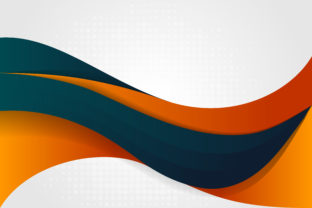
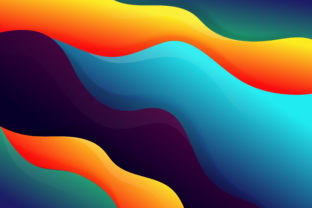
A wave colorful background is more than just a pretty image; it represents a specific style of abstract art that utilizes flowing lines and organic shapes to create depth and movement. Unlike static geometric patterns, this type of dynamic texture background mimics natural elements like water, light refraction, or molten glass. It often features a composition of trendy gradient shapes that transition smoothly between hues such as blue, green, purple, orange, and yellow.
The core appeal lies in its ability to convey a sense of technology and futuristic thinking without feeling cold or rigid. The curved and wavy forms suggest flexibility and adaptability, qualities that are highly valued in today's business environment. When used effectively, this creative geometric wallpaper style serves as a sophisticated frame for your content, ensuring that text and logos stand out while maintaining a cohesive brand identity.
Addressing Common Design Challenges
Designers and marketers frequently face specific hurdles when trying to make their materials stand out. One of the most common issues is creating a minimal yet impactful layout that doesn't feel empty or boring. Traditional solid colors can sometimes appear flat, while overly complex illustrations can clutter the screen and distract from the main message. Furthermore, many businesses struggle to find a digital resource that feels both modern and professional enough for high-stakes presentations.
Another significant challenge is scalability. Many graphic resources look great on a desktop monitor but fail when resized for mobile devices or printed on large banners and placards. If the resolution drops or the aspect ratio distorts, the entire design loses its credibility. Additionally, there is the issue of originality. In a saturated market filled with generic templates, finding a unique pattern that reflects a brand's personality can be difficult without hiring expensive custom artists.
How Wave Colorful Backgrounds Solve These Problems
This is precisely where a wave colorful background excels. By leveraging vector technology, these designs offer infinite scalability. Whether you need a tiny icon for a website header or a massive poster for a trade show, the liquid shapes remain crisp and clear. The use of layered gradients creates a sense of dimensionality that adds richness to the design without requiring heavy visual noise.
For businesses looking to project a concept of forward-thinking innovation, the fluid nature of these backgrounds suggests progress and continuous flow. The colorful palette allows for easy customization to match brand guidelines. A tech company might opt for cool tones like blue and purple to emphasize trust and intelligence, while a creative agency might choose warm orange and yellow accents to spark excitement and energy. This versatility makes the wave colorful background an ideal solution for diverse industries ranging from finance to entertainment.
Practical Applications Across Media
The utility of these dynamic textures extends far beyond simple web decoration. Because they are designed as versatile graphic resources, they fit seamlessly into various formats:
- Web and UI Design: Use a subtle version as a hero section background to guide the user's eye toward call-to-action buttons. The flowing nature of the waves can subtly direct attention without overwhelming the interface.
- Marketing Collateral: For flyers and posters, these backgrounds provide a striking canvas that makes headlines pop. The shadow effects inherent in 3D-style gradients add a tactile quality to printed materials.
- Cover Pages and Reports: Transform standard documents into engaging cover pages by applying a cut or papercut inspired wave design. This elevates the perceived value of the content inside.
- Social Media Banners: Create consistent branding across platforms using the same template structure. The geometric geometry ensures that the design looks professional on both Instagram stories and LinkedIn headers.
Strategic Implementation for Different Users
While the potential is vast, the approach to implementing a wave colorful background varies depending on the user's expertise and goals. Non-designers often benefit from pre-made templates that allow them to simply swap out text and images. These users should focus on selecting a color scheme that aligns with their industry standards to maintain professionalism.
For professional designers, the opportunity lies in customization. Instead of using the element as a static backdrop, they can manipulate the origami-like folds or adjust the gradient stops to create a unique style. They might combine multiple layers of paper textures with the smooth waves to create a hybrid aesthetic that stands out in crowded feeds. The key is to ensure that the background supports the content rather than competing with it.
Key Considerations for Success
To get the most out of a wave colorful background, it is essential to prioritize readability. High-contrast text is crucial when placing information over complex gradients. Ensure that the layout provides enough negative space so the design breathes. Avoid overcrowding the frame with too many decorative elements; let the art of the wave do the work.
Furthermore, consider the psychological impact of the colors. A green and blue combination often evokes calmness and stability, making it perfect for healthcare or finance. Conversely, mixing red, orange, and yellow creates a sense of urgency and passion, suitable for sales promotions or sports events. By understanding these nuances, you can turn a generic texture into a targeted communication tool.
Conclusion
In conclusion, a wave colorful background offers a powerful blend of aesthetics and functionality for anyone looking to enhance their visual communication. It addresses the critical need for modern, scalable, and engaging designs that resonate with contemporary audiences. Whether you are building a web presence, printing a banner, or crafting a business proposal, the dynamic interplay of fluid shapes and vibrant gradients provides a reliable foundation for success. By integrating these creative resources thoughtfully, you can elevate your projects from ordinary to extraordinary, ensuring your message is not only seen but remembered.