Wave Colorful Pattern Grey Gradient: A Modern Design Solution
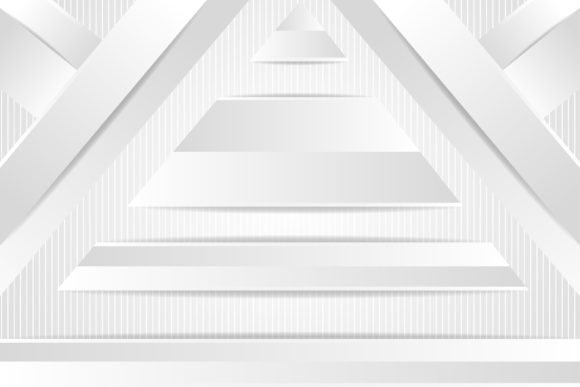
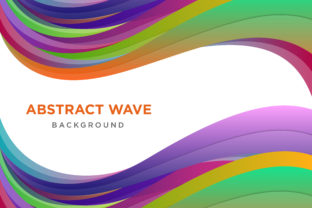
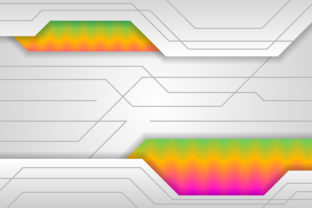
In the rapidly evolving landscape of digital and print design, finding a visual element that balances professionalism with creative flair can be challenging. The Wave Colorful Pattern Grey Gradient has emerged as a versatile asset for designers, marketers, and content creators seeking to elevate their projects without overwhelming the audience. This abstract geometric composition features a sophisticated white and grey gradient background intersected by horizontal and diagonal lines, topped and bottomed with vibrant, colorful wavy elements. It is more than just a decorative image; it is a strategic tool designed to enhance user engagement across various media types.
Understanding the Visual Composition
At its core, this graphic resource combines structural rigidity with fluid motion. The foundation consists of an abstract geometric layout using shades of gray and white. These neutral tones provide a clean, modern canvas that ensures text remains legible and focal points stand out. The inclusion of horizontal and diagonal lines adds a sense of direction and movement, guiding the viewer's eye across the page or screen. However, what truly distinguishes this pattern is the introduction of colorful waves at the top and bottom edges. These bright, dynamic elements inject energy and creativity into the design, preventing the grey backdrop from appearing too sterile or corporate.
This duality—between the calm stability of the gradient and the excitement of the colorful waves—makes the Wave Colorful Pattern Grey Gradient uniquely adaptable. Whether you are working on a high-tech presentation or a consumer-facing brochure, this design offers the perfect middle ground. It respects the need for clarity while satisfying the demand for visual interest.
Addressing Common Design Challenges
Designers often face specific hurdles when creating materials for businesses and digital platforms. One of the most persistent challenges is the "blank slate" problem. When starting a new project, such as a website landing page or a pitch deck, the lack of a cohesive theme can stall progress. Another common issue is balancing modern aesthetics with readability. Too much color can distract from the message, while too little can make the content feel dated or boring.
Furthermore, in an era where attention spans are short, static images often fail to capture interest. Users expect a sense of motion and depth even in static formats. Traditional flat designs may look functional but lack the shine and texture required to compete in a saturated market. The Wave Colorful Pattern Grey Gradient directly addresses these pain points. By providing a pre-structured yet flexible background, it reduces the time spent on layout decisions. The built-in gradient creates depth, simulating a 3D effect that makes the design feel futuristic and polished without requiring complex rendering skills.
Practical Applications Across Industries
The versatility of this vector asset allows it to serve a wide range of practical applications. Because it is available as a vector, it can be scaled to any size without losing quality, making it ideal for everything from small mobile app icons to large-scale wallpaper displays.
- Digital Marketing and Web Design: For tech companies and startups, this pattern serves as an excellent banner or hero section background. The blue and colorful accents align well with themes of innovation and science, while the grey gradient maintains a professional tone suitable for b2b interactions.
- Print Media and Brochures: In the physical world, the smooth texture of the gradient translates beautifully to paper. It works exceptionally well as a cover design for annual reports, magazines, or promotional brochures. The geometric lines help organize information, ensuring that the layout remains structured even when filled with dense text.
- Presentation Templates: Creating slides that are both engaging and easy to read is a constant struggle. Using this pattern as a slide master provides a consistent theme. The colorful waves frame the content effectively, drawing attention to charts and graphs without obscuring them.
- Game and App Interfaces: The futuristic vibe of the diagonal lines and gradients fits perfectly within gaming environments or science fiction-themed applications. It can act as a menu background or a loading screen element that keeps users engaged during transitions.
Strategic Implementation for Different Users
How you utilize the Wave Colorful Pattern Grey Gradient depends largely on your specific goals and the nature of your project. Different users will approach this resource with varying strategies to maximize its potential.
For Corporate Professionals: If your goal is to convey trust and efficiency, focus on the grey gradient aspect. Use the colorful waves sparingly, perhaps as subtle borders, to maintain a conservative aesthetic. In this context, the design acts as a backdrop that supports your data and messaging rather than competing with it. The line elements can be used to create dividers between sections, adding a layer of organization to complex presentations.
Creative Agencies and Freelancers: For those aiming to showcase innovation, lean into the colorful wavy elements. These patterns are perfect for creative portfolios or event posters where standing out is paramount. You might experiment with overlaying bold typography on the white sections to create high contrast. Here, the design is not just a background but a central character in the visual narrative, emphasizing color and pattern.
Educators and Researchers: When presenting scientific concepts or technical data, the abstract nature of the geometry helps visualize complex ideas. The flow of the waves can represent data trends or biological processes, while the clean lines suggest precision. This combination makes difficult topics more accessible and visually appealing to students or stakeholders.
Maximizing Outcomes with Vector Technology
One of the most significant advantages of choosing this resource is its format as a vector. Unlike raster images, which pixelate when enlarged, vectors remain crisp at any resolution. This ensures that your design looks sharp whether it is displayed on a standard monitor, a high-definition television, or printed on a massive billboard. The ability to edit individual elements—such as changing the hue of the waves or adjusting the angle of the lines—allows for endless customization.
When integrating this pattern into your workflow, consider the following recommendations to ensure the best results. First, always check the color mode (RGB for digital, CMYK for print) to ensure accuracy. Second, use the negative space provided by the white and light grey areas for your primary content. Finally, pair this background with fonts that complement its modern feel, such as sans-serif typefaces that echo the clean lines of the geometric shapes.
Conclusion
The Wave Colorful Pattern Grey Gradient represents a powerful solution for anyone looking to enhance their visual communication. By merging the stability of geometric structures with the dynamism of colorful waves, it solves the common dilemma of how to be both professional and exciting. Whether you are designing a template for a business presentation, creating a web interface, or producing a physical brochure, this asset provides the foundational elegance needed to succeed. Embracing this design resource allows you to focus less on building a background from scratch and more on delivering your core message with impact and style.