Colorful Wave Background for Dynamic Design
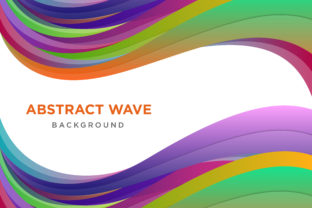
In the fast-paced world of digital communication, static images often fail to capture attention. A Colorful Wave Background solves this problem by introducing movement and energy into a flat space. These designs utilize fluid forms and dynamic gradients to create an immediate sense of flow, making them ideal for modern web banners, corporate presentations, and creative marketing materials. Unlike rigid geometric shapes, wavy lines mimic natural phenomena like water ripples or wind currents, offering a psychological cue of smoothness and innovation.
This resource belongs to the Graphic Resources category, specifically focusing on vector-based illustrations that offer infinite scalability. Whether you are a freelancer designing a portfolio or a small business owner creating a brochure, understanding how to leverage these abstract curves can elevate your visual storytelling. The following guide explores the practical applications, stylistic variations, and strategic uses of colorful wave templates in professional design projects.
The Power of Flow in Visual Communication
At its core, a wave represents motion without chaos. In graphic design, using flowing shapes guides the viewer's eye across a layout naturally. When applied as a background, these curves act as a subtle directional tool, leading attention toward key content like headlines, call-to-action buttons, or product images. This is particularly effective in web design, where user experience depends on clear visual hierarchy.
The term abstract is often used to describe these designs because they do not depict a specific object but rather a feeling or concept. A dynamic gradient template combines multiple hues that blend seamlessly, creating depth and dimensionality. This technique mimics the behavior of light interacting with surfaces, adding a layer of sophistication that flat colors cannot achieve. For businesses aiming to project a futuristic or innovative image, these fluid forms suggest adaptability and forward-thinking.
When selecting a colorful palette, designers must consider the emotional impact of each hue. Cool tones like blues and purples evoke trust and science, while warm oranges and pinks suggest creativity and energy. By manipulating these gradients within a vector format, creators can ensure their artwork remains crisp on any screen size, from a mobile device to a massive outdoor billboard.
Practical Applications Across Industries
The versatility of a fluid creative template allows it to serve diverse functions across various sectors. Below are specific scenarios where incorporating wavy backgrounds yields tangible results.
- Corporate Presentations: Slides filled with solid colors can feel dull. Replacing standard backgrounds with motion-inspired waves adds a layer of professionalism and engagement. It breaks up text-heavy sections and makes data visualization more approachable. For research papers or scientific reports, a physics-inspired ripple effect can subtly reinforce themes of connectivity and analysis.
- Marketing and Advertising: In advertising, capturing attention within seconds is crucial. A graphic design element featuring high-contrast waves creates a focal point that stands out against cluttered social media feeds. These designs work exceptionally well for flyer layouts, ensuring the main message is delivered quickly. The ribbon shape often found in these vectors can wrap around text, framing the content elegantly.
- Web Banners and Headers: Modern websites require responsive assets that look good on all devices. A vector wave background scales perfectly, maintaining its integrity whether viewed on a desktop monitor or a smartphone. Using these shapes as a header separator helps define distinct sections of a page, improving readability and navigation.
- Print Media: Despite the rise of digital media, print still holds value for brochures and magazines. A colorful wave background adds texture to printed pages without overwhelming the ink. It provides a sophisticated backdrop for product photography, allowing the item to pop while the background suggests a premium quality.
Tailoring Designs for Specific Audiences
Adapting a generic template requires an understanding of your target audience. A card design intended for a tech startup might use sharp, neon gradients to convey speed and cutting-edge technology. Conversely, a brochure for an educational institution might opt for softer, pastel waves that suggest growth and learning. The key lies in adjusting the style and tone of the gradient to match the brand voice.
For entrepreneurs launching new products, the layout should prioritize clarity. Avoid letting the background become too busy; if the waves are too dominant, they can distract from the product information. Instead, use the curves to frame the text or create negative space. This balance ensures the design remains effective and organized. Remember, the goal is to support the message, not compete with it.
Creative Techniques and Variations
While the base concept involves simple curves, the execution offers endless possibilities. Designers can manipulate the form of the waves to create different moods. Tight, rapid oscillations suggest excitement and urgency, suitable for sales events or limited-time offers. Gentle, long undulations imply calmness and stability, ideal for wellness brands or financial services.
Incorporating 3D effects into a 2D vector file can add significant depth. By layering multiple waves with varying opacities and shadows, you can create a parallax effect that feels alive. This approach is particularly popular in sci-fi or artwork contexts where futuristic aesthetics are desired. However, even without complex shading, a well-chosen color transition can simulate volume and light.
Another variation involves mixing textures. Combining smooth gradients with grainy overlays or subtle noise patterns can give a trendy, retro feel. This technique bridges the gap between digital precision and analog warmth, appealing to audiences who appreciate craftsmanship. For bloggers and publishers, this style can make a website feel more personal and less sterile.
Ensuring Consistency and Originality
To maintain a professional appearance, consistency is paramount. If you are building a collection of assets, such as a set of social media posts or a multi-page brochure, ensure the wave styles remain cohesive. Use a consistent color palette and similar curvature intensity throughout the project. This creates a unified brand identity that users can easily recognize.
Avoid falling into the trap of using pre-made templates without modification. While starting with a template saves time, customizing it ensures your design feels unique. Adjust the angle of the waves, change the gradient stops, or overlay additional elements to reflect your specific needs. This customization process transforms a generic asset into a bespoke piece of artwork.
Finally, always test your designs in context. A background that looks stunning on a dark screen might lose its impact on a white page. Check contrast ratios to ensure text remains legible. By prioritizing usability alongside aesthetics, you create designs that are not only beautiful but also functional for real-world applications.
Conclusion
A Colorful Wave Background is more than just a decorative element; it is a strategic tool for enhancing communication. Its ability to convey movement, emotion, and modernity makes it indispensable for designers, marketers, and creators across industries. By understanding the principles of flow, color theory, and layout, you can harness the power of these dynamic gradients to create impactful visuals that resonate with your audience.
Whether you are crafting a business card, a large-scale billboard, or a digital presentation, the flexibility of vector-based wave designs offers a reliable foundation for success. Embrace the fluidity of these shapes, experiment with different styles, and let your creativity drive the design process forward.