Diagonal Triangle Infographic Gradient for Modern Data
In the fast-paced world of digital communication, capturing attention within seconds is no longer optional; it is a necessity. The Diagonal Triangle Infographic Gradient offers a sophisticated solution to this challenge by merging geometric precision with vibrant visual depth. This unique design element transforms dry data into compelling narratives, utilizing a 3D aesthetic that draws the eye immediately to the core message. Whether you are preparing a quarterly business report, designing a marketing brochure, or creating an educational presentation, this template provides the structural backbone needed to convey complex information with clarity and style.
At its core, this infographic concept relies on the dynamic interplay between diagonal lines and triangular forms. Unlike traditional horizontal or vertical layouts, the diagonal orientation introduces a sense of movement and forward momentum. When combined with gradient colors and realistic shadows, the flat vector shapes gain a tangible, three-dimensional quality. This approach does more than just look modern; it psychologically signals progress and success, making it an ideal choice for illustrating processes, growth charts, or step-by-step guides.
The Anatomy of a High-Impact Design
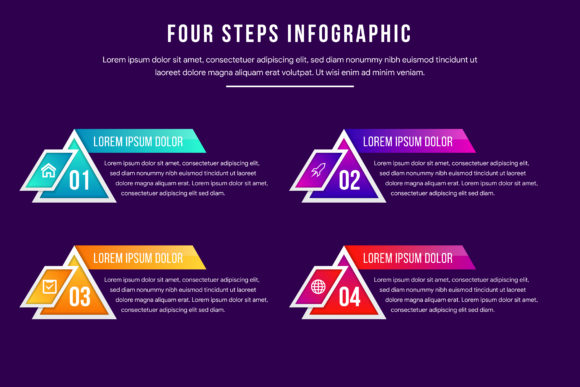
What sets the Diagonal Triangle Infographic Gradient apart from standard graphic resources is its specific architectural composition. The design features four distinct options, each tailored to accommodate different types of data sets while maintaining a cohesive visual identity. The primary structure utilizes a pyramid-like formation built from triangular elements arranged diagonally. This arrangement allows for a natural flow of information, guiding the viewer's gaze from the foundation up to the peak of achievement.
The use of gradients is critical here. By transitioning smoothly from one hue to another across the surface of the triangles, the design avoids the sterility often associated with corporate infographics. Instead, it injects energy and creativity. The inclusion of soft shadows adds depth, ensuring that the elements do not appear flat against the background. In this specific variation, the objects are isolated on a rich purple background, which serves as a powerful canvas. Purple is historically associated with wisdom, luxury, and creativity, making it a perfect backdrop for high-level strategic content.
- Geometric Precision: The clean lines of the triangle shape ensure that data points are aligned perfectly, preventing visual clutter.
- 3D Depth: The shadow effects create a layered look, adding realism and tactile appeal to the vector illustration.
- Versatile Color Palettes: While the base is purple, the gradient capabilities allow for easy customization to match any brand identity.
- Four-Option Layout: The template supports four distinct variations, allowing for flexibility in how much content needs to be displayed.
Real-World Applications Across Industries
The utility of this graphic resource extends far beyond simple decoration. Professionals across various sectors can leverage the Diagonal Triangle Infographic Gradient to solve specific communication problems. For marketers, these visuals are invaluable for breaking down sales funnels or customer journey maps. The diagonal ascent naturally mimics the path of a customer moving from awareness to purchase, reinforcing the narrative through visual metaphor.
Entrepreneurs and business owners will find particular value when presenting project roadmaps or milestone achievements. A standard bar chart can feel static, but a 3D triangular diagram suggests upward trajectory and momentum. Imagine using this layout to display a company's revenue growth over four quarters. Each triangle represents a period, with the gradient shifting from a darker shade to a lighter, brighter one to symbolize increasing success. This visual cue is processed by the brain faster than text, leading to higher engagement rates during pitch meetings.
Educators and bloggers also benefit significantly from this tool. When explaining multi-step processes or hierarchical concepts, the pyramid structure inherent in the triangle design provides a logical framework. It simplifies abstract ideas, making them accessible to a broader audience. For instance, a blog post about digital marketing strategies could use the four options of this template to outline the four pillars of a successful campaign: Content, SEO, Social Media, and Analytics. The isolation on a clean background ensures that the focus remains entirely on the content, without distracting elements.
Enhancing Brand Identity and User Experience
In the realm of web design and stationery, consistency is key to building trust. The Diagonal Triangle Infographic Gradient serves as a robust element for maintaining brand coherence. Because the design is vector-based, it scales effortlessly from a small icon on a mobile website to a large banner on a trade show booth without losing resolution. This scalability is crucial for modern businesses that operate across multiple platforms.
The creative aspect of this template encourages experimentation. The combination of diagonal lines and gradients breaks the monotony of standard grid layouts. When used in brochures or presentations, it adds a layer of sophistication that elevates the perceived value of the document. Users interacting with a website that incorporates these dynamic graphics are likely to experience improved engagement. The visual interest prompts them to spend more time analyzing the data, leading to better retention of the information presented.
Furthermore, the abstract nature of the art allows for broad interpretation. It is not tied to a specific industry, making it a versatile asset for freelancers who work with diverse clients. A freelancer designing a portfolio can use the purple gradient background to showcase their own skills, effectively using the "product" to demonstrate the "process." This meta-application highlights the effectiveness of the design itself.
Practical Considerations for Implementation
While the visual appeal is undeniable, successful implementation requires thoughtful planning. When selecting the Diagonal Triangle Infographic Gradient, consider the density of your data. With four main options available, ensure that the chosen layout aligns with the number of steps or categories you need to present. Overcrowding the triangles with too much text can negate the benefits of the clean geometric design.
Accessibility should also be a priority. While gradients are beautiful, ensure that the contrast between the text and the background colors meets accessibility standards. The purple background provides a strong contrast for white text, but if customizing the gradients, test the legibility carefully. Additionally, because the design relies on shadows and 3D effects, ensure that the final output format preserves these details. Vector formats like SVG or high-resolution PNGs are recommended to maintain the crisp edges and smooth color transitions.
Finally, think about the context of usage. If the infographic is intended for print, verify that the color mode is set to CMYK to avoid unexpected shifts in the gradient hues. For digital use, RGB is standard, but be mindful of screen brightness settings. By paying attention to these technical details, you ensure that the professional quality of the Diagonal Triangle Infographic Gradient translates faithfully from the screen to the final deliverable.
In conclusion, this graphic resource represents a fusion of artistic expression and functional design. It addresses the modern need for data visualization that is both aesthetically pleasing and informative. By adopting the Diagonal Triangle Infographic Gradient, professionals can elevate their communications, streamline complex processes, and leave a lasting impression on their audience. Whether used for a corporate presentation, a creative blog post, or a marketing campaign, this template offers the tools necessary to turn abstract concepts into clear, actionable insights.